Sentimental gifts for someone who has everything
Twenty ideas that are not more stuff: words, voices, old photos and time, and a guide to who each one suits.
By the Warmcut team · · 8 min read

A few weeks before his birthday, someone asks Dad what he would like. The answer is the same every year. Nothing. Don't waste your money. He means it, too. Last year's jumper is still in the cupboard with the tag on.
He is right that he does not need another thing. What nobody can buy for themselves is what other people remember about them. So the best sentimental gift for someone who has everything is made of the things only you and their people hold: words, voices, old photos and time.
Below are 20 ideas, from ten minutes of work to a few weeks, and a quick guide to who each one suits. Most cost little, and most will never need a shelf.
Why do sentimental gifts suit someone who has everything?
Givers play it safe. A 2017 study from Carnegie Mellon University found that people choosing a gift tend to pick one that matches the other person's tastes, such as a jersey from their team, over one with sentimental value, such as a photo of a good day spent together. The people receiving the gifts wanted the sentimental one more often than they got it.
The safe gift has a second problem when someone has everything: they probably own it already. In a Finder survey of 1,011 Australians in October 2025, one in five said they had regifted presents from the Christmas before, worth an estimated $1.3 billion in all.
A sentimental gift passes three tests:
- It is made of something no shop sells. A memory, a voice or a photo that nobody else has.
- It is about them, not their hobby. A golf gadget is about golf. A letter about the day they taught you to back a trailer is about them.
- It gets better with age. The gadget dates. The letter does not.
What is the most sentimental gift you can give?
Usually words. They are the gift most people put off, because saying them feels awkward. They are also the gift people keep.
1. A film of messages from everyone who loves them. The old business partner, the neighbour of thirty years, the grandchildren: each records about a minute on their phone from one link. Nobody needs an app or an account, so people overseas can join too. Warmcut puts the messages into one film in story order, with music and captions, the voices levelled and the pauses trimmed. Nobody edits anything. Collecting the messages and watching the finished film is free, with a small Warmcut watermark. Pay once, from US$19, to share and download it. Over 10 people? The free film uses the first 10 to record, and paying makes it with everyone. It takes up no room, and it brings together people who are rarely in one place.
2. A letter from you. One page, one memory, and one thing you have never quite said. It costs a stamp and an hour. Write it by hand: your handwriting is part of the gift.
3. Letters from everyone, in a box. Ask ten to thirty people for one page each: family, old friends, former workmates. Keep them in a plain box or bind them into a book. Allow three weeks and one polite reminder. Some letters will be two lines, and those count too.
4. Their stories, recorded. Half an hour, a phone and a few good questions about the years before you knew them.
5. A jar of 52 notes. One for each week of the year, written by the whole family: memories, thank-yous, the sayings of theirs that everyone now uses. Hand out slips at the next family get-together, and post a few blank ones, with a return envelope, to anyone who lives too far away to come. Give it on the day, and the notes last until the next one.
What can you make from old photos and family memories?
Most families have a box of prints, slides or tapes that nobody has opened in years. For someone who has everything, sorting it out is both a gift and a job off their list.
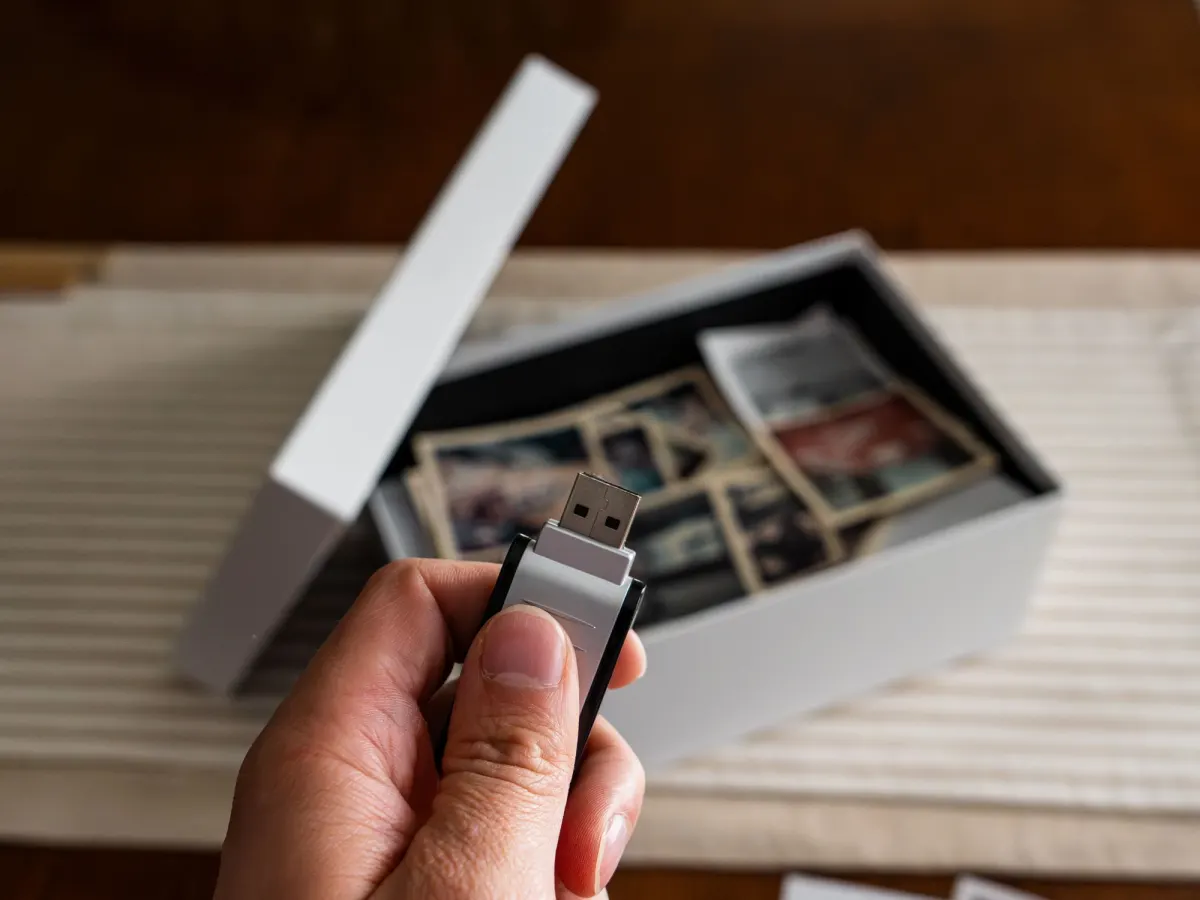
6. The shoebox, scanned and sorted. Borrow the box and scan the prints. A phone scanning app does well enough for prints; slides and negatives need a proper scanner or a photo lab. Give it all back in order, with a shared album or a USB stick. Write names and years on the back while the people who know them are around to ask.
7. Home movies, transferred. Old camcorder tapes and VHS are hard to play now. A transfer service turns them into files you can watch on a TV. Pick the best ten minutes and watch them together.
8. A photo book of one chapter. Not the whole life, just one chapter: the share house years, the farm, the first house, the year in London. Ask old friends for the photos nobody else has.
9. The front page from the day they were born. Or the day they married. Trove, the National Library of Australia's free online archive, has digitised newspapers from 1803 to about 1954, plus a few later titles such as The Canberra Times, and you can download a whole page. For later dates, your state library will usually hold the paper on microfilm in its reading room. Print the page large, frame it, and add a note on why that day.
10. The family recipe book. Scan the cards as they are, so the stains stay; there is more on the family recipe book in sentimental Christmas gifts.
11. The thing they lost. The childhood book in the same edition, found second-hand. The record they wore out at sixteen. A model of their first car. It shows you listened to the story, which they have probably told more than once.
What do you get someone who wants nothing?
When someone says they want nothing, they often mean they want you, without the fuss.

12. A day back at the old place. The town they grew up in, the fishing spot from the holidays, the old school. You drive; they tell the stories.
13. A seat at their thing. The choir's next performance, the pennant final at the bowls club, the opening night of the local theatre group. Go, stay for all of it, and take them to dinner after. Being in the audience says you take their world seriously.
14. An ordinary day with them. Take a weekday off and spend it doing their usual day: the walk, the shopping, the crossword, the café where they know the order. There is nothing to book and nothing to wrap.
15. Ask them to teach you something. The knot, the way they prune the roses, how they fillet a flathead. Film it on your phone while they show you. The lesson is the gift, and you keep the recording.
16. The job on their list. Clean the gutters, fix the gate, set up the new phone, sort the thousands of photos on the old one. Nobody has ever regifted a clean gutter.
What can you give that is not more stuff?
17. Their song, learnt. The song from their wedding, or the hymn they always ask for. Learn it on the piano, the guitar or the ukulele and play it for them on the day. It does not need to be perfect; the weeks of practice are the gift.
18. An heirloom, restored. Nan's sewing machine serviced, the cane chair re-caned, the family Bible rebound. Nothing new comes into the house, and something they already love works again.
19. A donation tied to a memory. The surf club they patrolled with, the ward that looked after a grandchild. Say why in the card; sentimental retirement gifts has ideas for tying one to a working life.
20. A replacement with a story. If you do buy a thing, make it the replacement for something they loved and wore out: the same watch strap, a pocketknife like their father's. Say so in the card.
Which gift suits which person?
| Who | Try | Go easy on |
|---|---|---|
| A parent who says "nothing, please" | Letters or a film from the family (1, 3), the job on their list (16) | Anything that needs a shelf |
| A grandparent | Grandchildren's voices (1), the shoebox scanned (6), a day back (12) | Gadgets that need setting up |
| A partner | A letter from you (2), their song, learnt (17) | The practical gift |
| A friend far away | A film from the old group (1), a photo book of your years together (8) | Anything heavy to post |
| A boss or mentor | Letters or a film from the team (1, 3), a donation to their cause (19) | Anything too personal |
For a dad who insists on nothing, the birthday film for Dad page has questions people can answer when they record.
How do you make any gift more sentimental?
- Tie it to one memory. A plain mug means more when the card says it matches the one from the caravan holidays.
- Say why, in writing. Two lines on why you chose it. People keep the card long after the gift is gone.
- Bring in someone they miss. The brother overseas, the friend they lost touch with. One unexpected voice can be the moment of the day.
- Start early if other people are involved. Two weeks for a group film, three for a box of letters. How to make a group video sets out the two weeks step by step.
What should you write in the card?
Keep it short and specific. A few lines to start from:
- "You always say you want nothing. So here is something you can't buy."
- "I found this photo of us at [place]. I still remember [small detail]."
- "You taught me to [skill]. I still do it your way."
- "Thank you for [one specific thing]. I think about it more often than you would guess."
- "Everyone wanted to say something. We put it all in one place."
If you would like everyone's words in one film, the occasions page shows how it works for a birthday, a retirement, a farewell or a thank-you.
Questions
What is a good sentimental gift for someone who has everything?
One made of something no shop sells: a letter from you, messages from the people who love them, their old photos scanned and sorted, or a day back where they grew up. If they need something to unwrap, replace a thing they loved and wore out, and put the story in the card.
What is a cheap sentimental gift for someone who has everything?
A letter from you costs a stamp. A jar of 52 notes costs a jar and some paper. Asking them to teach you something, or doing the job on their list, costs only your time. For most dates up to 1954, the front page from the day they were born is free to download from Trove.
How do you make a gift more sentimental?
Tie it to one memory and say why in a short note. A plain mug means more when the card says it matches the one from the caravan holidays. Specific beats expensive.
What can you give elderly parents who have everything?
Their family, their photos and your time: grandchildren's voices in a film, the shoebox of prints scanned and returned in order, a day back where they grew up, or the job on their list done. Skip anything they would need to set up or find room for.
Are experiences better than things for someone who has everything?
Often. An experience takes no space and leaves a memory. The best ones are shared with you or tied to a place they love, such as a day back in the town where they grew up.
Sources
Read next
Christmas
Sentimental Christmas gifts they will keep
Twenty ideas for an Australian summer Christmas, made from memories, words and time, most of them cheap or free, with who each suits and when to start.
Christmas
Christmas gifts for grandparents, from the grandkids
Twenty ideas, from a handprint bauble to a day at the cricket, with what each grandchild can manage and honest notes on who each one suits.
Birthdays
40th birthday gift ideas that mean something
Twenty ideas for a fortieth, from the people in their life to the trip they keep putting off, with honest notes on who each one suits.